
Residential water-use habits have direct impact on the shrinking lake
By: Shaela Adams
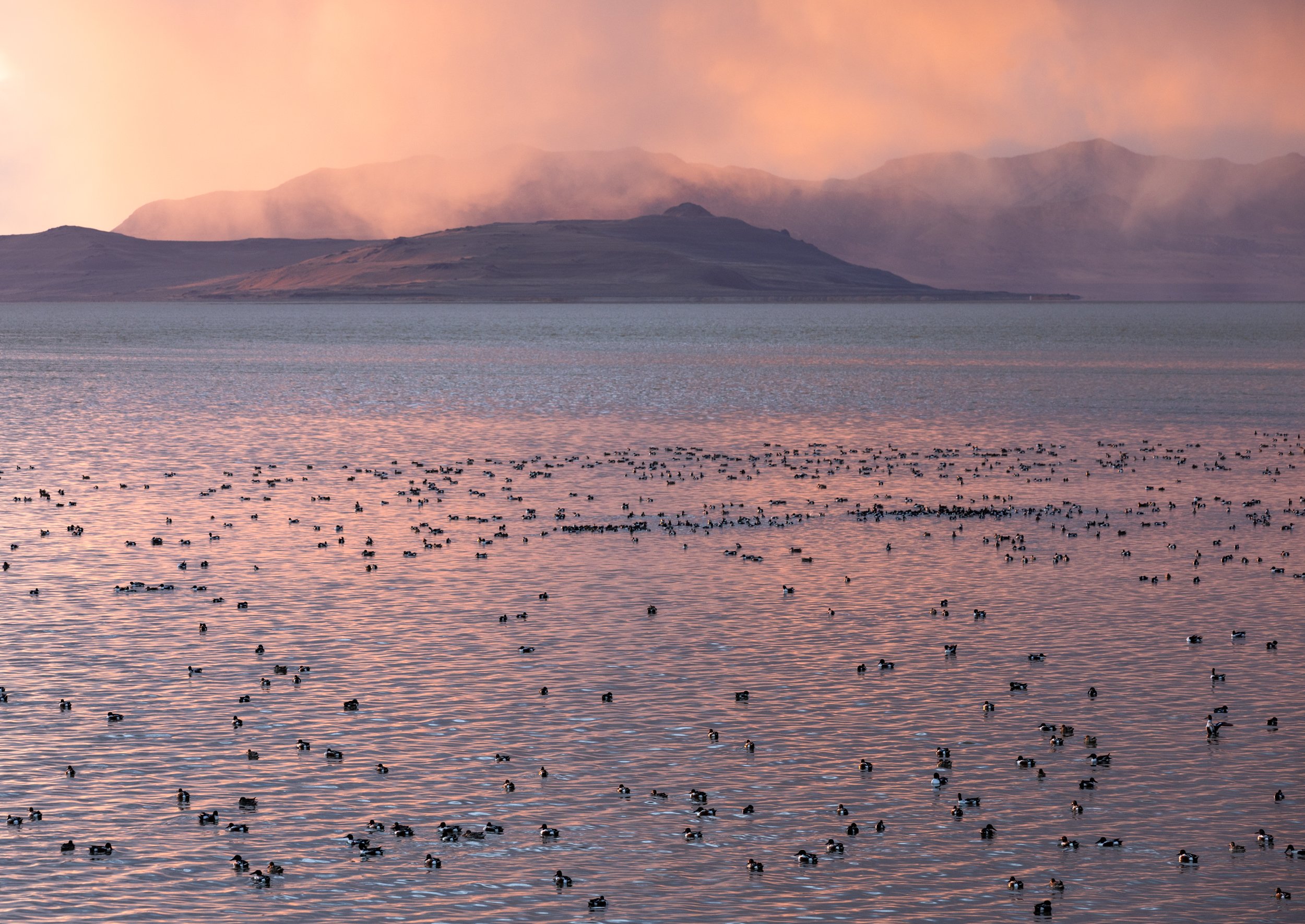
Photo: Marry Anne Karren/Audubon
Great Salt Lake has been in the headlines more often than not in the past few months. For years, the saline lake has been losing water faster than it can be replenished, creating one of the most urgent environmental issues in the West. Following one of the driest winters on record in Utah, state leaders are now seeking new federal support to address the ongoing challenges of dust exposure, potential ecosystem collapse, and economic risks from falling lake levels.
The good news— meaningful progress is being made. Thanks to a new partnership between Metropolitan Water District of Salt Lake & Sandy (Metro Water), the Great Salt Lake Watershed Enhancement Trust, the Utah Divisions of Forestry, Fire and State Lands and Wildlife Resources, an average of 2,500 acre-feet of new water will run into Great Salt Lake’s Farmington and Gilbert Bays each year for the next 5-10 years. The source of that water? Conservation.
“Through conservation, we’re saving our way of life where the edge of the desert meets Great Salt Lake meets the greatest snow on Earth.”
“Through conservation, we’re saving our way of life where the edge of the desert meets Great Salt Lake meets the greatest snow on Earth,” said Tom Ward, Director of Sandy City’s Public Utilities.
. . .
When it comes to planning for Utah’s future, water needs are always a top priority across the state. Metro Water was established in 1935 to provide a reliable water supply for the Salt Lake Valley. Today they provide reliable, clean drinking water for 500,000 residents across the valley while proactively planning for the future. Part of that future includes efforts to revive the Great Salt Lake.
“We’re proud of our collaborative undertaking to identify available water for the Great Salt Lake, and we’re grateful for our member cities, Salt Lake City and Sandy City, whose dedicated conservation efforts made this partnership possible,” said Annalee Munsey, General Manager of Metro Water.
Salt Lake City and Sandy City have also been thinking about water and planning for their futures. Thirty years ago, Sandy City officials estimated they would need 1 acre-foot of water per household.
“Today that same 1 acre-foot we predicted would be used by one household is enough for five, even eight households, if they’re conserving,” Ward explained. “Our resources didn’t increase; the amount of water being used has decreased.”
That conservation has led to Sandy saving nearly 30 percent of its water supply and has enabled them to forgo needing to buy any additional water rights as they simply don’t need the extra water. It’s also part of what led to this innovative partnership between Metropolitan Water District (Metro Water), Salt Lake City (SLC), Sandy City (Sandy) and the Great Salt Lake Watershed Enhancement Trust (the Trust).
“What do you do in the years when your water portfolio has more water than you’re using?” asked Ward. For him, leasing that water to Great Salt Lake is a solution he’s been looking forward to for a long time.
Having grown up near Owens Lake in California—a lake infamous for nearly drying up from water diversions with billions now spent on mitigation efforts—Tom knew the risk of a drying lakebed long before he worked for Sandy City. As an appointed member of the Great Salt Lake Advisory Council, he’s followed along closely with the challenges facing the lake and the solutions being put in place across sectors to address those challenges.
Cue the 2022 legislative session, which saw two key bills supporting Great Salt Lake: HB 33, which recognizes dedicating water to Great Salt Lake as a “beneficial use”, and HB 410, which established the Trust, managed by Audubon and the Nature Conservancy, to facilitate voluntary water transactions.
“As one of dozens of cities and nearly three million people in the Great Salt Lake Basin, we understand that we all have a role to play with enormous benefits and avoided harm by helping secure a healthy water future, not only for the Lake and Utah, but also for our families, businesses, and future generations. A dry lake would create a huge tax on our state’s economy, environment, public health, and household budgets,” said Ward.
“It’s very costly, nearly impossible, to develop new water sources. Every day we make choices about how we use water – those seemingly small choices make big impacts to our water supply.”
“Conservation needs to be on the forefront of everyone’s minds,” said Munsey. “It’s very costly, nearly impossible, to develop new water sources. Every day we make choices about how we use water – those seemingly small choices make big impacts to our water supply.”
“We understand that our water diversions and deliveries are uniquely within the Great Salt Lake Basin,” said Laura Briefer, Director of Salt Lake City Public Utilities. “We have both an impact and the ability to help, so when this opportunity came up to partner on this transaction, it was a no-brainer.”
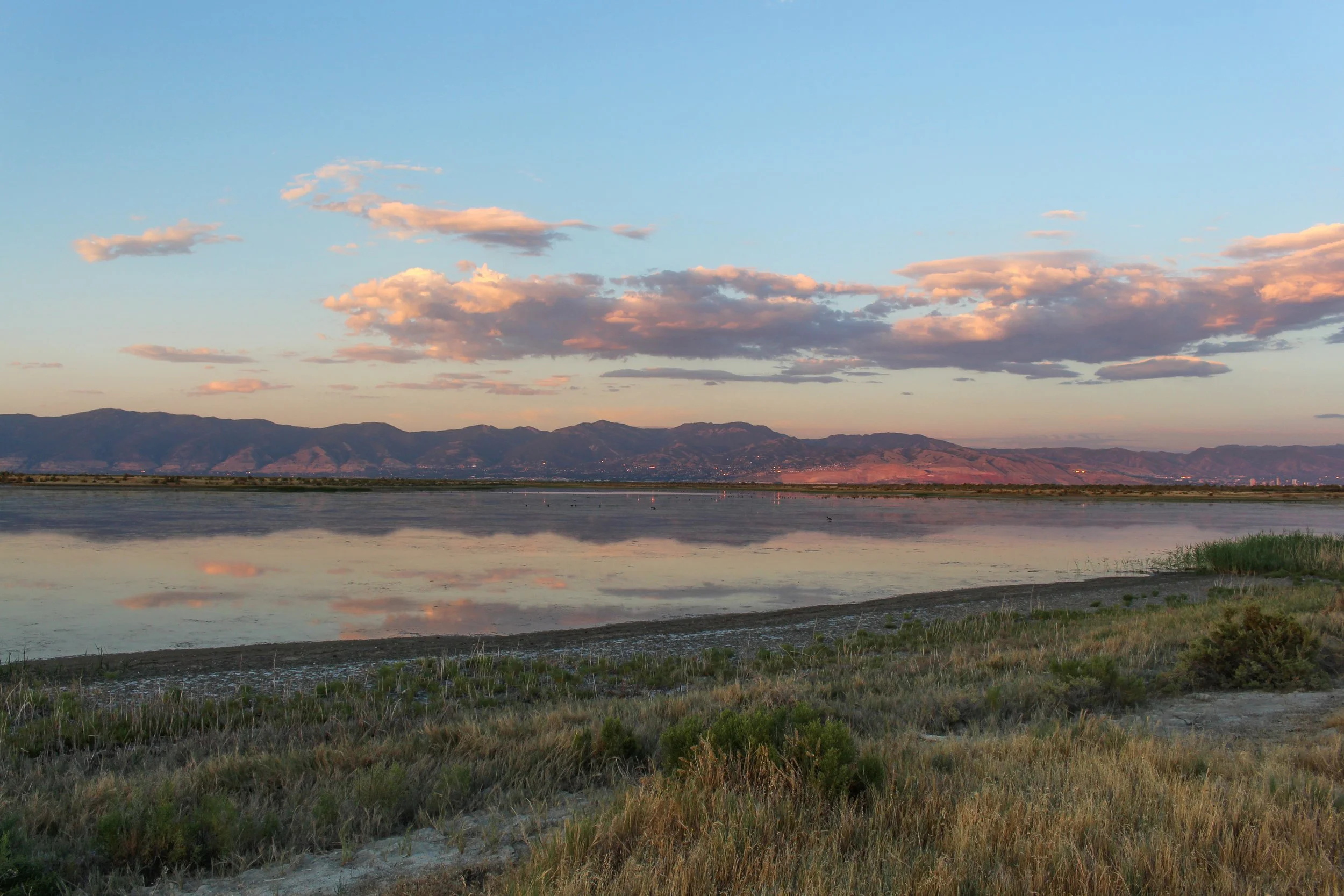
Great Salt Lake wetlands with Salt Lake City in the distance. Photo: Shaela Adams/Audubon
. . .
Situated in the heart of the Great Salt Lake Basin, Metro Water and their member cities, Salt Lake and Sandy, are no strangers to innovative partnerships in the name of conservation. Protecting the environment and community has been rooted in their ethos for decades—proof of this in the continuous decline in water usage in both cities. Thanks to expanding resources and conservation programs, along with growing awareness around drought and Great Salt Lake, many residents and business owners have adopted water-wise conservation habits – a long-term shift that is especially important as the population continues to grow.
“I often get the question, so you’re just asking me to conserve so you can support more growth?” Briefer said. “But that’s not the truth, especially since our conservation goals take into consideration things like the future of Great Salt Lake.”
Salt Lake City has grown nearly 18 percent since the year 2000. In that same time, it has also reduced its overall water use by 25 percent throughout its water service area. This includes Salt Lake City, Millcreek, Holladay and Cottonwood Heights. Salt Lake City has seen amazing support from the community in times of drought, especially when it comes to voluntarily reducing water use.
“We’re never going back to those pre-2000 habits,” said Briefer.
While this water is available thanks to individuals practicing water-wise conservation, Metro Water, in coordination with its member cities, has dedicated water rights to ensure these savings make a meaningful difference for the Great Salt Lake.
Within a complex, longstanding water system, there’s a growing shift in how resources are viewed: not just as something to manage, but as something that can be used to support the environment.
“Our water rights are probably our most valuable asset we have,” said Briefer. “Using those water rights as a tool to make the environment whole is a really different frame of mind.”
“Our water rights are probably our most valuable asset we have. Using those water rights as a tool to make the environment whole is a really different frame of mind.”
All partners involved are proud of this collaborative effort and hope it sparks continued conservation across the state, paving the way for more partnerships to leverage saved water and move it to Great Salt Lake.
. . .
“Something we often hear is that individuals don’t believe their actions can make a difference for Great Salt Lake. This new water heading to Great Salt Lake, water that’s only available because individuals chose to conserve and adopt water-wise habits, is evidence that they absolutely can,” said Marcelle Shoop, Executive Director of the Great Salt Lake Watershed Enhancement Trust.
“We cannot keep pointing the finger at one sector or another—it’s on all of our shoulders.”
- Brian Steed, Great Salt Lake Commissioner
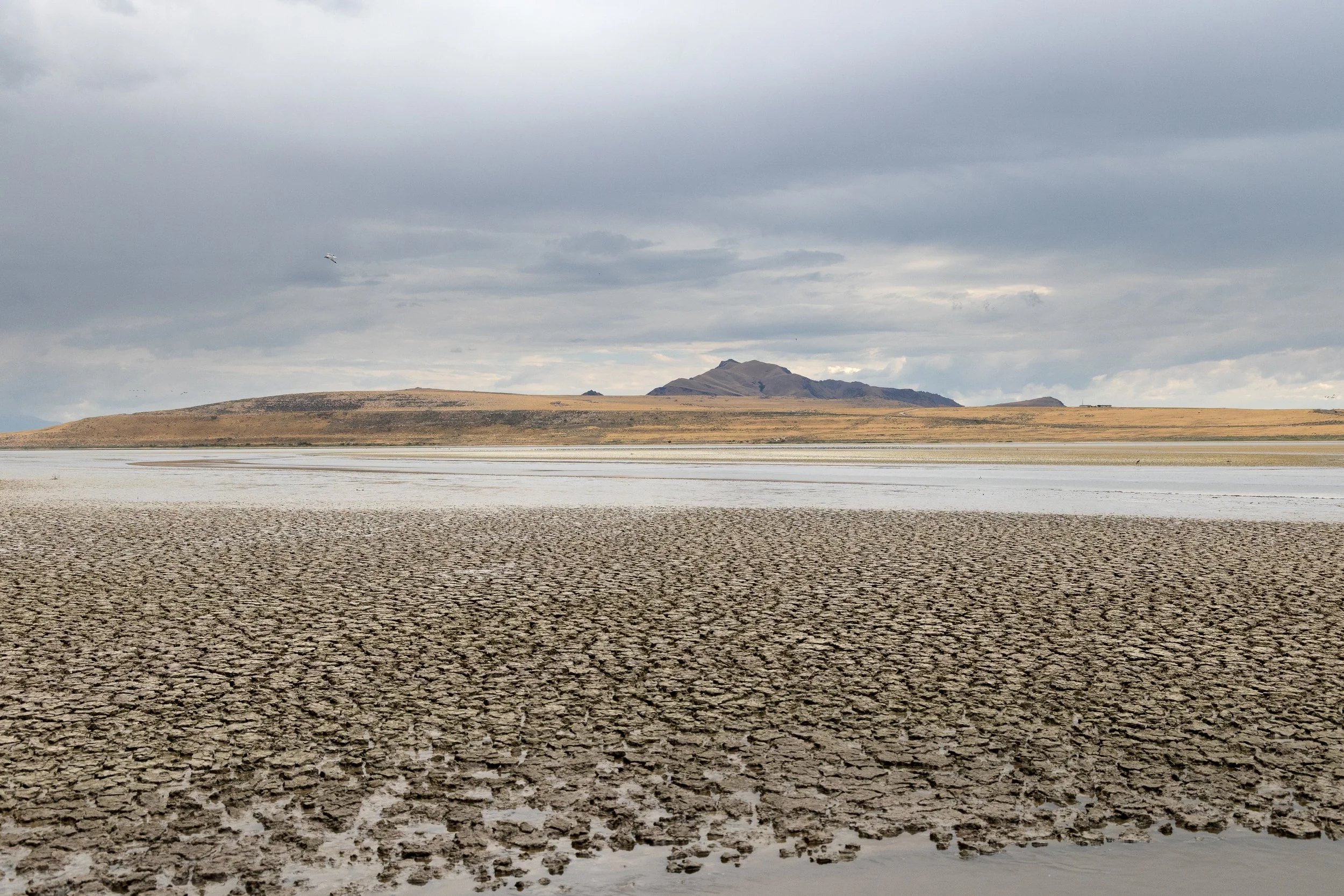
Some experts are projecting that Great Salt Lake could reach new historic low levels as soon as the end of this summer, so it’s never been more important to understand the role we all play when it comes to securing a healthy future for the lake.
“We cannot keep pointing the finger at one sector or another—it’s on all of our shoulders,” said Brian Steed, Great Salt Lake Commissioner.
“When it comes to conservation, not everyone needs to come to the table for the same reason. You might be interested in conservation because you care about money, or you might be interested because you care about Great Salt Lake,” said Ward.
Both Salt Lake City and Sandy City have spent decades crafting smart water plans that include a plethora of resources and tools residents can utilize to come to the table for whatever reason drives them.
Water Conservation Resources and Programs for residents in Salt Lake City and Sandy City
Residents and businesses of Salt Lake City and Sandy City have access to a wide range of programs designed to make water conservation easier, more affordable, and more accessible. These initiatives—offered through city utilities, regional water districts, and the State of Utah—provide financial incentives, education, and technical tools that help households reduce water use both indoors and outdoors.
Financial Incentives and Rebates
Within the Great Salt Lake Basin, residential homes typically account for approximately 50% to 60% of total water consumption. This means one of the most effective ways residents can conserve water is by upgrading landscapes and installing water-efficient fixtures.
Several rebate programs help offset the cost of these improvements. The statewide conservation initiative, administered through Utah Division of Water Resources, provides funding for residents who replace high-water-use landscaping or install water-efficient fixtures. Homeowners may qualify for rebates when converting traditional lawns to drought-tolerant landscaping, which can significantly reduce outdoor water use.
These landscape conversions have already produced measurable results statewide. According to the Utah Division of Water Resources, residents replaced more than three million square feet of turf in 2024 alone, saving over 100 million gallons of water annually through landscape changes.
Residents can also find available rebates through the regional conservation portal:https://slowtheflow.org/rebates/
Common rebate incentives available to homeowners along the Wasatch Front include:
Turf replacement incentives for removing high-water-use lawns
Smart irrigation controller rebates
High-efficiency toilet rebates
Drip irrigation conversion incentives
Tree planting rebates for water-wise landscapes
Metro Water Conservation Programs
Metro Water places value in being long-term stewards of water, infrastructure, and the environment. To support their vision, they partner with the State of Utah on the following initiatives:
Water Check Program: free irrigation audits for Salt Lake City and Sandy City residents that evaluate sprinkler efficiency and provide recommendations.
Slow the Flow: provides educational resources and financial incentives for residents who upgrade irrigation systems, replace turf, or install water-efficient appliances.
Utah Water Ways: promotes the proper use of water and educating citizens and businesses alike about efficient water use in the state, in an effort to meet the State’s water conservation goals.
Sandy City Water Conservation Programs
Sandy City has several tools and resources available for their residents to help them reduce their water consumption, learn new conservation practices, and save money:
Smart Alerts: Using a water portal called WaterSmart, Sandy residents have detailed information about how much water they are using, can check for leaks and receive real-time leak and billing alerts, and receive personalized tips on how they can save water.
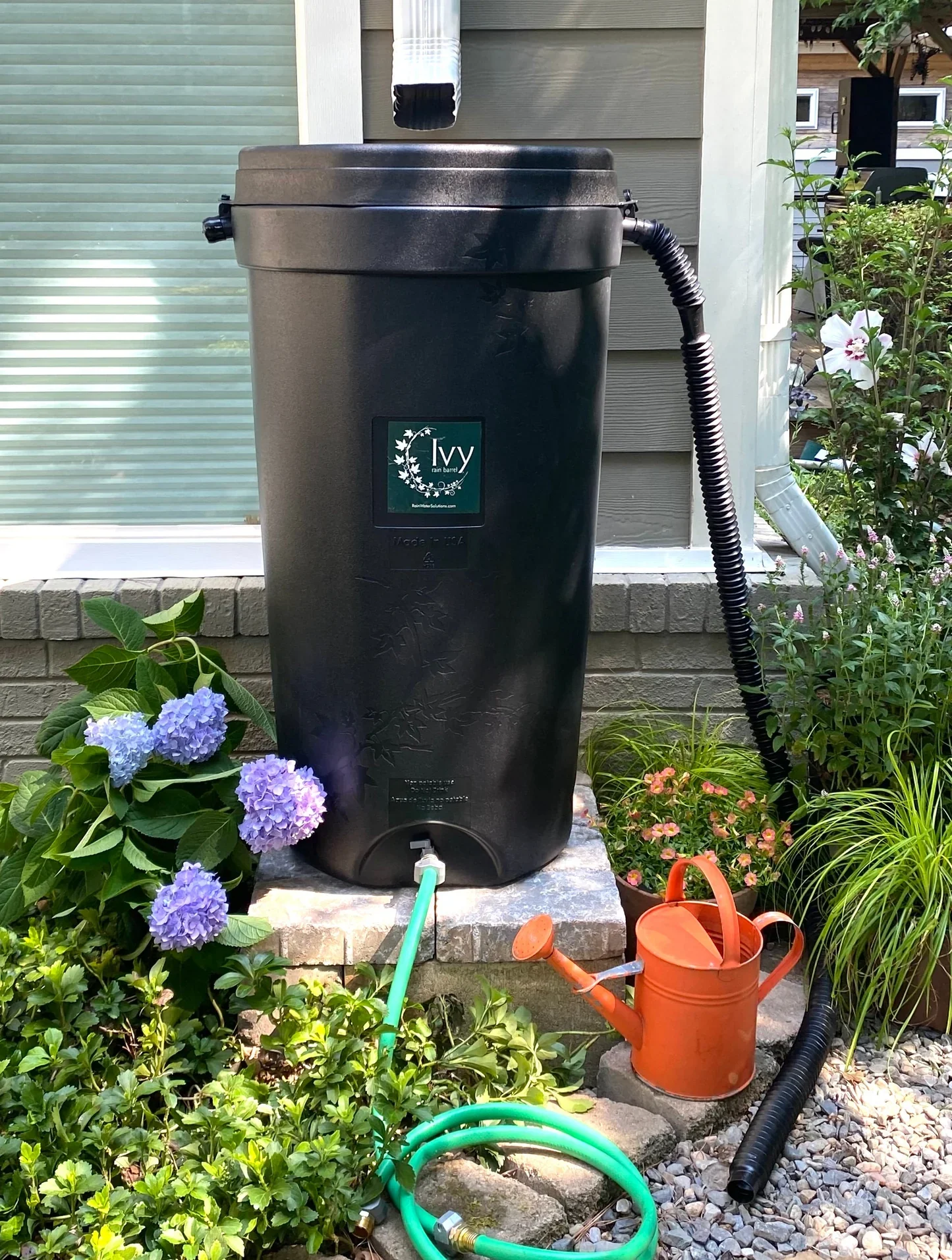
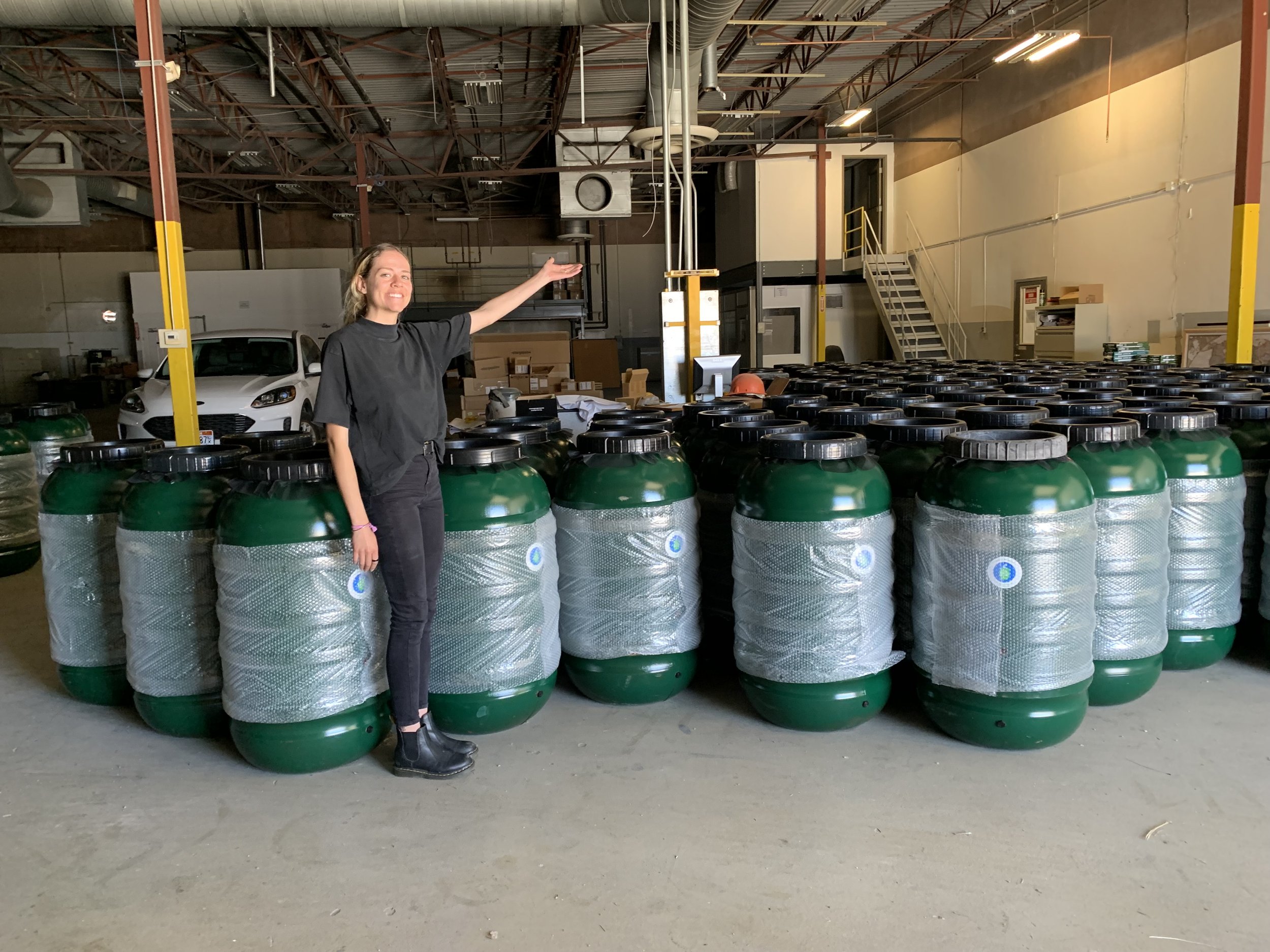
Rain Barrel Program: In partnerships with Utah Rivers Council and Rain Water Solutions, residents can capture and reuse rainwater for landscaping with rain barrels.
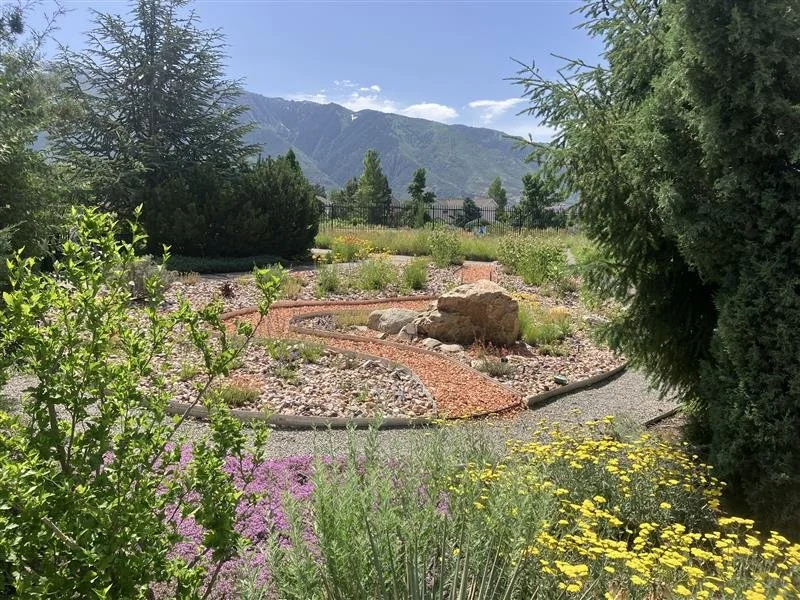
Sego Lily Conservation Gardens: designed with waterwise plants and localscaping examples, Sego Lily Conservation Gardens is a demonstrative and educational facility, where residents can take classes and learn more about waterwise landscaping techniques and practices. The Gardens also hosts a spring fair and fall festival every year, where residents can learn from educators from around the valley.
Sego Lily Guardians: A new pilot program launched this year, this is a youth program that aims to give young people the opportunity to develop an understanding of our public water system, learn practices for lifelong environmental stewardship, and engage in service and outreach opportunities related to water.
More information about Sandy’s water conservation resources and initiatives can be found at: https://sandy.utah.gov/692/Water-Conservation


Salt Lake City Water Conservation Programs
The Salt Lake City Department of Public Utilities offers several tools and programs designed to help residents monitor and reduce water usage.
One of the most innovative initiatives is the WaterMAPS program, developed in partnership with Utah State University. WaterMAPS helps households identify opportunities to reduce irrigation waste and better align watering schedules with seasonal conditions by analyzing household water-meter data, weather patterns, and landscape characteristics to provide personalized insights about outdoor watering efficiency.
Additional conservation initiatives offered by Salt Lake City include:
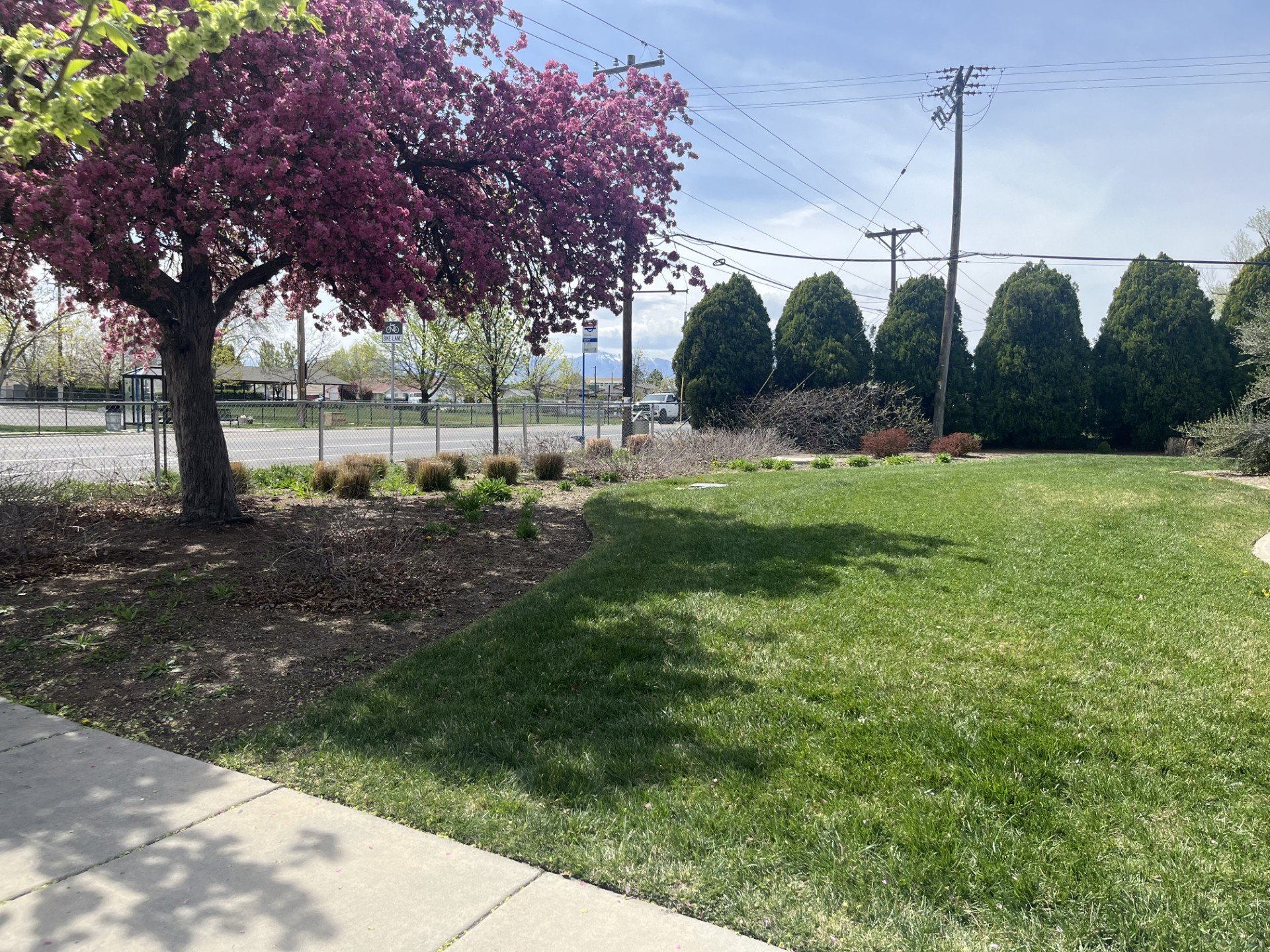
Rain barrel programs: residents can capture and reuse rainwater for landscaping with rain barrels.
TurfTrade: Salt Lake City customers can purchase lower-water grass seed, a cool season blend that requires 30% less water than typical Bluegrass lawn. Priced at 5 pounds for $18.23 + tax. 5 pounds covers 1,000 square feet.
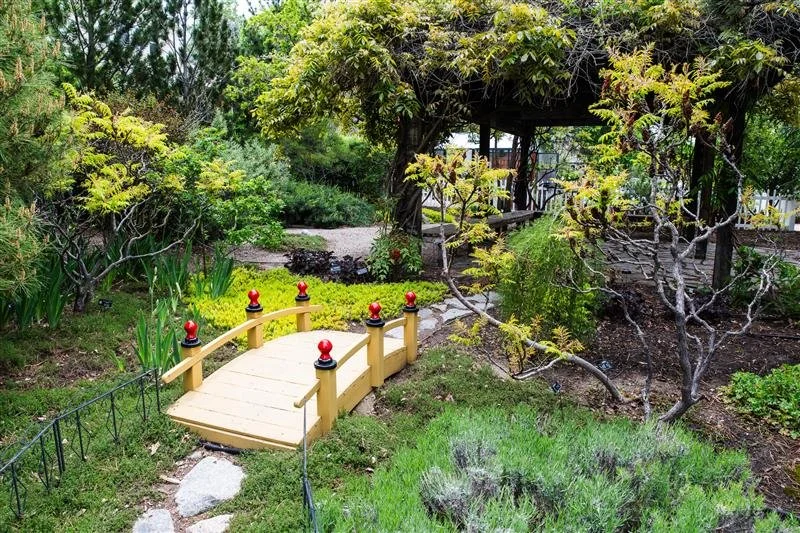
Demonstration Gardens: Poplar Grove Conservation Garden is designed with the lower- water grass seed blend so residents can see what it will look like and the Conservation Garden in the avenues showcases water-efficient landscaping techniques suited to Utah’s climate and offers workshops, tours, and landscape planning resources.
More information about these programs can be found here:https://www.slc.gov/utilities/conservation/

Watershed Protection and Environmental Education
Water conservation efforts also focus on watershed protection and environmental stewardship. Programs run by Salt Lake County Watershed Planning and Restoration Program work to protect streams, reduce runoff pollution, and educate residents about sustainable landscaping practices.
Metro Water serves on the Central Wasatch Commission. The CWC promotes the long-term protection of the Central Wasatch Mountains through collaboration and effort between elected officials, stakeholders, and the public. They provide resources, like the Central Wasatch Dashboard, and carry out projects initiated during the Mountain Accord process.
Salt Lake City also operates a public education campaign called Make It Pure, which helps residents understand how wastewater is treated and how responsible water use protects local waterways.
Sandy City has partnered with Central Utah Water Conservancy District to provide free in-person courses to help with waterwise landscaping projects, including: Qualifying for a Landscape Incentive, Localscapes: Creating Your Ideal Utah Yard, Planting Bed Design, or residents can schedule a few landscape consultation with a city specialist.
. . .
When it comes to securing a healthy future for Great Salt Lake, every drop counts, and this long-term lease of an average of 2,500 acre-feet of water will be an important contribution to helping preserve Great Salt Lake, and setting an example for conserving water and dedicating it to the lake.
Metro Water, Salt Lake City, and Sandy City continue to collaborate with cities and municipalities in the Great Salt Lake Basin to identify ways new tools, such as the Trust, can encourage conservation and enable water to be leased for the benefit of the Great Salt Lake.
“The Utah legislature and Governor stepped up in recognizing the importance and need for action to save the Lake by creating a framework and funding for cities, municipalities and water districts to require conservation in their land use and landscape planning and water management practices,” recognized Tom. “The creation of the Great Salt Lake Watershed Enhancement Trust provides a direct and sizable financial benefit to the community to send saved water to the Lake and keeps our State great.”
The Great Salt Lake Watershed Enhancement Trust is encouraged by this partnership and its precedent, especially as Great Salt Lake faces ongoing drought conditions following one of Utah’s driest winters on record. It’s a strong example of how conservation can make a meaningful impact across sectors and at every scale. The Trust looks forward to continuing its partnership with the Utah Divisions of Forestry, Fire, and State Lands and Wildlife Resources, as well as the Office of the Great Salt Lake Commissioner, expanding efforts with more cities and counties – using conservation to help move water to Great Salt Lake while also helping communities save money.
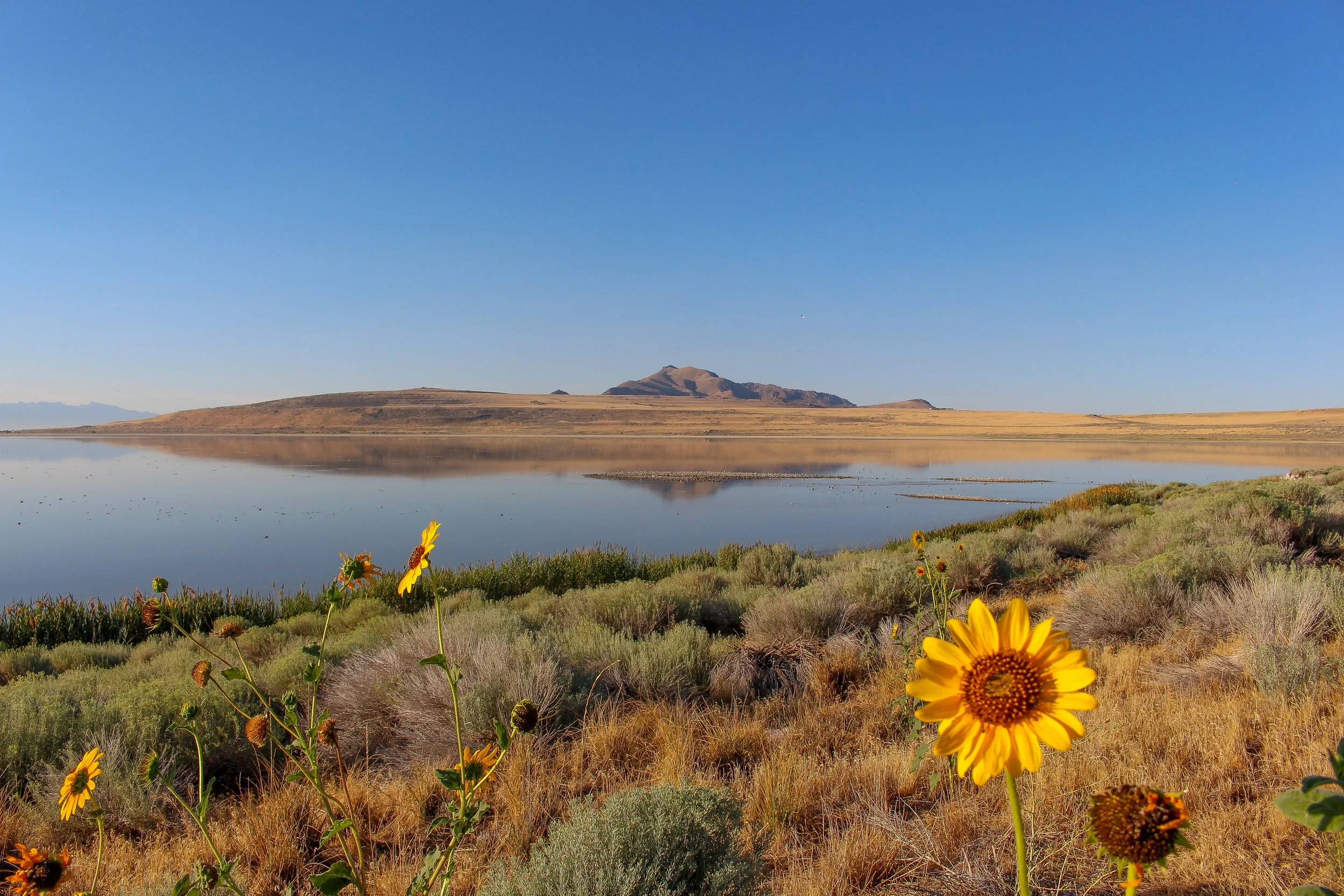
Antelope Island at Great Salt Lake. Photo: Shaela Adams/Audubon