
Even in a Tough Water Year, Water Conservation is Making a Difference for Great Salt Lake
Flexible partnerships are helping water continue to reach the lake despite drought
By: Shaela Adams
Despite the challenges Great Salt Lake is facing this year, intensified by Utah’s lowest snowpack on record and scorching summer temperatures, the lake has not dropped to its historic low level of 2022. This is due to several factors, including:
the state of Utah’s efforts to manage salinity in the lake’s South Arm, to protect brine shrimp, brine flies and the birds that depend on those food sources
reduced water extractions by mineral companies
steady progress in tackling and removing invasive phragmites
ongoing wetland and habitat restoration.
Water deliveries to the lake have also continued over the summer. The water, in part, can be attributed to the historic and ongoing water conservation efforts taking place across the Great Salt Lake Basin, paired with partnerships like those fostered by the Great Salt Lake Watershed Enhancement Trust (Trust) and its many partners.
Most importantly, in periods of drought like we’re experiencing now, our ability to conserve water, both in the urban setting and in agriculture, is essential to making the difference for Great Salt Lake.
For example, water leases like the Trust’s partnership with the Metropolitan Water District of Salt Lake & Sandy, which is sending an annual average of 2,500 acre-feet of water to the lake over the next ten years, show the impact that collective individual actions can achieve at scale, when we actively conserve water. This lease arrangement, led by the Trust along with key partners, is sending water to Great Salt Lake that would not otherwise naturally reach the system, and the water is primarily available thanks to the conservation efforts of Salt Lake City and Sandy City’s residents and businesses. And this lease is just one of many one-time and recurring opportunities the Trust has secured.
National Audubon Society (Audubon) and The Nature Conservancy (TNC), as co-managers of the Trust, spent the last four years building a voluntary leasing program that is both creative and flexible in nature to ensure the Trust’s ability to secure water for Great Salt Lake, regardless of current climate conditions. In the ongoing era of “record-breaking” and “historic” headlines, this flexibility is a requirement.
The flexibility in the Trust’s agreements with water right holders can take many forms, such as leasing a variable amount of water from year to year depending on availability or delivering water at different times of the year.
Thanks to state and private investments in the Trust’s mission, combined with our partners’ willingness to lean into arrangements to help preserve Great Salt Lake, the Trust anticipates matching water transacted in 2025 by the end of 2026, despite less water being in the system this year.
Since its inception, the Trust has developed a strong network of partners across the watershed who are dedicated to ensuring Great Salt Lake’s future. The Trust works daily with state partners like the Great Salt Lake Commissioner’s Office and the Utah Divisions of Forestry, Fire and State Lands and Wildlife Resources to coordinate and deliver water for the benefit of Great Salt Lake. In the Jordan River system, the Trust depends on foundational partners like the Jordan Valley Water Conservancy District, Rio Tinto Kennecott, and The Church of Jesus Christ of Latter-day Saints, to deliver water to Great Salt Lake’s Farmington and Gilbert Bays. And with the Trust’s proof of concept in water leasing, more partners, and a greater diversity of partners in the Weber River and Bear River systems, including Weber Basin Water Conservancy District and Huntsville Abbey Farm, are helping to deliver water to key habitat areas in Ogden Bay and Willard Spur.
While we look hopefully toward a strong snowpack this winter, bolstering established programs and efforts built around flexibility, partnership, and innovation will continue to ensure the most resilient outcomes in Utah’s shared goal of securing a healthy future for Great Salt Lake. Audubon and TNC look forward to growing the Trust’s voluntary leasing program and enhancing its efforts through conservation and partnership.
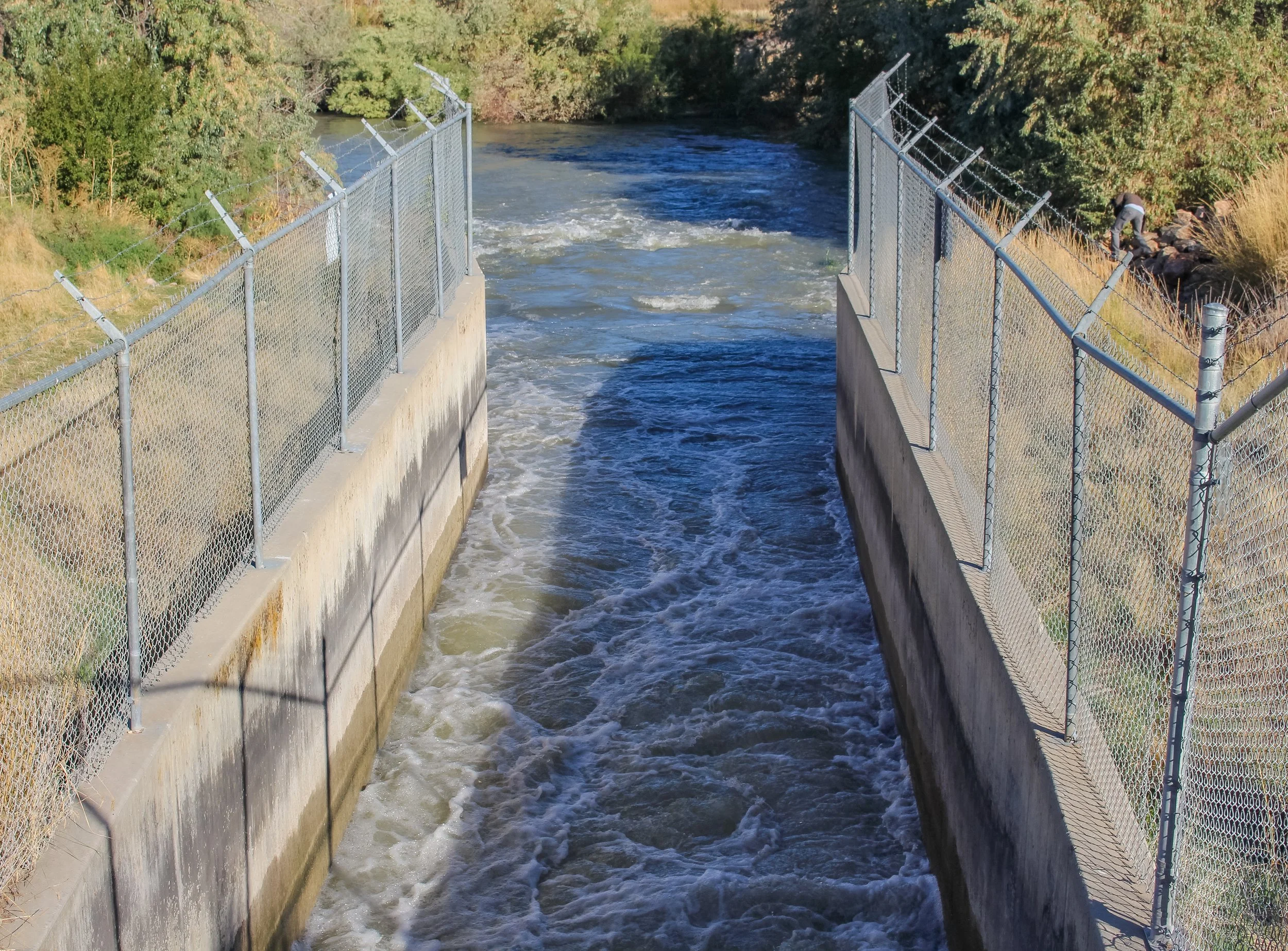
Water transacted by the Trust and partners flows into Willard Spur at Great Salt Lake in October 2026. Photo: Shaela Adams/Audubon